
Best Ways to Spend in Paraguay (2026 Guide)
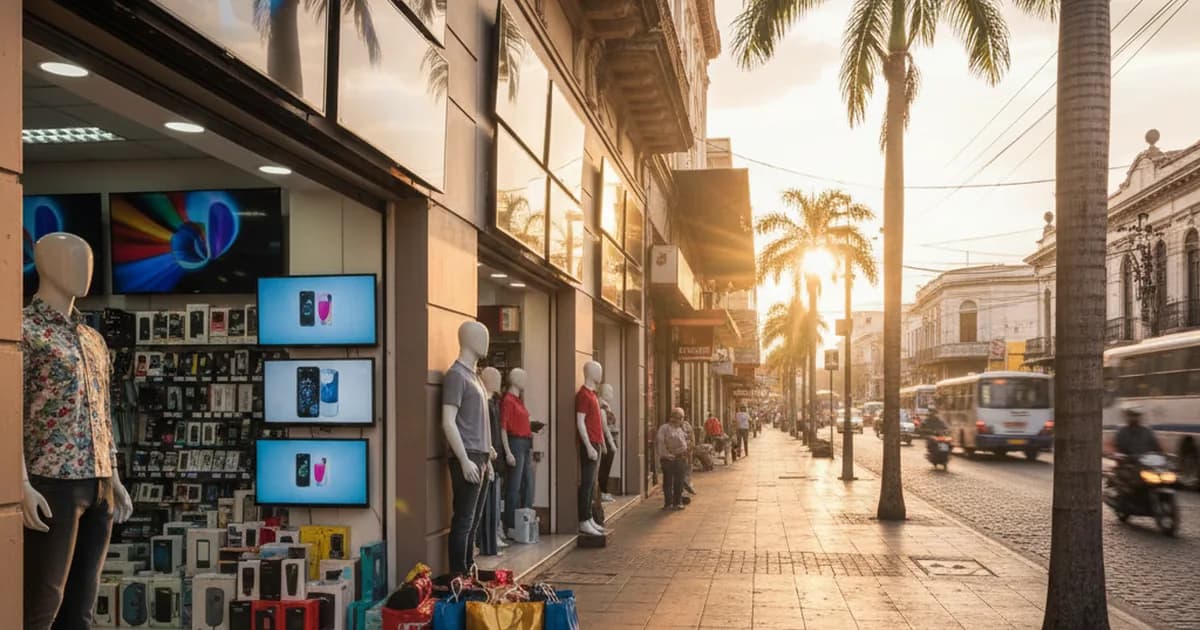
On a US$ 1,000 purchase at Shopping China, charged in guarani, a traditional bank credit card adds between US$ 48 and US$ 78 in IOF, spread, and network margin. With the Picnic card, using a digital dollar balance, the same purchase costs about US$ 3 more. Same product, same store, same day. The entire difference comes down to how you pay—a decision almost no one calculates before crossing the Friendship Bridge.
Paraguay has become a regular shopping destination for many Brazilians, and it’s not just about border electronics. The combination of price, variety, and proximity attracts everyone from those heading to Ciudad del Este for a new phone to those passing through Asunción on business. This guide organizes the three decisions that truly define how much your shopping trip will cost: which currency to pay in, which payment method to use, and how to stay within the allowance to avoid taxes on your return.
Paraguay as a Shopping Destination in 2026
Before talking about payment, it’s worth mapping things out. The country concentrates Brazilian spending in four hubs, each with its own profile.
- Ciudad del Este (CDE). The main shopping center, connected to Foz do Iguaçu by the Friendship Bridge. This is where you’ll find the big malls (Shopping China, Casa Nissei), electronics stores (Mega Eletrônicos, Cell Shop, New Zone, Toku), and perfumeries. It accounts for most of the shopping volume by Brazilians in the country.
- Asunción. The capital, with a focus more on services, tourism, and general shopping. Less “cross the bridge and return,” more of a multi-day trip.
- Pedro Juan Caballero. A dry border with Ponta Porã, in Mato Grosso do Sul. An alternative to the Foz axis for those coming from the Midwest.
- Salto del Guairá. Bordering Mundo Novo (MS), less obvious, with border malls and growing movement.
Most purchases are paid upfront, either by card or cash, and almost always in guarani. That’s your first clue on how to pay less.
The Golden Rule: Pay in Guarani
The official currency of Paraguay is the guarani (PYG). In practice, almost every card charge in the country is made in guarani, even when the price tag is in dollars. Some stores and hotels accept cash dollars, but the exchange rate they offer is usually worse than your card network’s own rate.
The consequence is straightforward: whenever you can choose, choose guarani. This applies to the card machine, the mall cashier, and any terminal.
Beware of the “charge in reais?” at the counter
At many card machines in Paraguay, when you use an international card, the terminal asks if you want to pay in reais (or in dollars). It seems like a courtesy, but it’s a trap. This feature, called dynamic currency conversion, lets the terminal itself do the exchange, with a much worse rate than Visa or Mastercard. And the IOF still applies the same way.
The rule is simple and has no exceptions: refuse the conversion and ask to be charged in guarani. The difference, on an electronics purchase, can exceed 5% just because of this one screen. To understand the exchange component behind this, check out the guide on exchange spread.
Card, Cash, or Dollar: Which Method to Use
Once you’ve chosen the currency, it’s time to pick the payment method. Each has its place.
International Card (Where Digital Dollar Wins)
For medium and large purchases (electronics, perfumes, a full shopping cart), the card is almost always the cheapest and safest way. Where cards differ is in the embedded cost.
A traditional Brazilian credit card charges IOF of 3.5% on the amount in reais (rate in effect since 2025, according to Decree No. 12,499/2025), adds the issuer’s spread (from 1% to 4%), and also the network margin on automatic conversions. “Global” cards from digital banks reduce the spread but keep the 3.5% IOF.
The Picnic card keeps a balance in digital dollars. Since Paraguay charges in guarani, not dollars, the Visa network margin of about 0.3% applies, which every Visa card in the world has. With Picnic, that’s it: about 0.3%, no issuer spread and, currently, no IOF on this card category. It’s the lowest cost in Brazil for this type of purchase, but be honest with yourself: it’s not zero, as it would be for a dollar purchase in the United States. In Paraguay, charged in guarani, it’s around 0.3%. For the full structure of this type of product, see how an international card works and international card with no annual fee.
Heading to Paraguay in the coming weeks? A card with a digital dollar balance cuts out the IOF and the issuer’s spread. Check out the Picnic card and take the savings on your next shopping trip.
Cash in Guarani: When It Makes Sense
Guarani cash is irreplaceable in some places: Mercado 4 and popular markets, street vendors, smaller towns, and any business without a card machine. For these situations, bring some guarani cash.
The detail that changed: buying the currency in cash in Brazil is no longer cheap. Since 2025, the IOF on foreign currency purchases in cash has risen to 3.5%, the same as the card. Add the exchange house’s spread and cash loses the advantage it once had. The strategy that works is to bring little cash, just for what really requires it, and use the card for the rest.
Cash Dollar: Why It Almost Never Pays Off
Bringing paper dollars to spend in Paraguay combines the worst of both worlds. You pay IOF and spread to buy the dollar in Brazil, and then accept the store’s dollar-to-guarani conversion, which is usually bad. For purchases paid in dollars, you also risk getting change in guarani at an unfavorable rate. Unless you have a very specific case of bargaining in cash, cash dollars are the most expensive of the three methods.
How Much Each Method Costs
The table below compares the total additional cost of a US$ 1,000 purchase charged in guarani (the typical case in Paraguay). The calculation includes IOF, issuer spread, and the Visa network margin, as applicable to each method.
| Payment Method | IOF | Issuer Spread / Exchange | Visa Margin | Extra Cost on US$ 1,000 |
|---|---|---|---|---|
| Picnic Card (digital dollar) | 0% | 0% | ~0.3% | ~US$ 3 |
| "Global" Card from Digital Bank | 3.5% | 0.4–2% | ~0.3% | ~US$ 42 to US$ 58 |
| Traditional Credit Card | 3.5% | 1–4% | ~0.3% | ~US$ 48 to US$ 78 |
| Guarani Cash | 3.5% | exchange house spread | n/a | ~US$ 50 or more |
| Cash Dollar | 3.5% | two conversions | n/a | the most expensive, variable |
The takeaway is clear. On a single US$ 600 phone, the difference between a traditional card and a digital dollar card already pays for an expensive dinner in Foz do Iguaçu. On a US$ 2,000 shopping trip, it pays for your accommodation. The 3.5% IOF is federal and applies to all traditional means; what separates the cards is the spread and the currency of the balance. For a detailed understanding of IOF, see what is IOF. For a comparison with the best-known alternative, see Picnic or Wise: which card is cheaper.
Note on IOF for Digital Dollar
An important note for 2026. BCB Resolution No. 521/2025 classified certain digital dollar operations as exchange operations. The application of the 3.5% IOF on transactions with cards in this category still depends on complementary regulation. Currently, IOF does not apply to these transactions (verified in June 2026). This is a moving target, so it’s worth confirming the status with the Central Bank before making a large purchase.
The US$ 500 Allowance: How to Plan to Avoid Taxes
Here’s the part that causes the most confusion, and where many people make mistakes. When returning to Brazil by land border, the exemption allowance is US$ 500 per person (amount valid in 2026, according to the Federal Revenue Service). Pay attention to the detail that changes everything: by air, the allowance is US$ 1,000, but by land—which is how almost everyone goes to Paraguay—it’s US$ 500.
Key points in practice:
- The land allowance applies to a rolling 30-day window. You can’t “reset” it by crossing the bridge twice in the same week.
- It’s individual and non-transferable. You can’t combine your allowance with someone else’s to cover a single expensive item.
- It applies to all ages, including children and babies, each with their own allowance.
- Anything over US$ 500 must be declared, and the excess is subject to 50% import tax on the difference. The declaration is made via e-DBV, on the Brazilian Federal Revenue Service website.
In practice, for most day-to-day purchases (perfume, clothes, an entry-level electronic), the allowance is not even close to being a problem. It gets tight for those after an expensive product: a notebook, a top-of-the-line phone, a camera. In these cases, plan ahead. If your purchase exceeds US$ 500, factor in the 50% tax on the excess in your “was it worth it or not” calculation.
Inspections became stricter in 2026, with more scrutiny to distinguish personal use from resale. Purchases for personal use, within the allowance and declared when necessary, are not a problem. Large quantities of identical items, suggesting commercial intent, are another story.
When to Go: Seasonality
The calendar affects how much you spend and how much time you spend in line. Ciudad del Este has clear peaks:
- Black Friday (November). The biggest peak in movement and electronics deals. Great prices, but crowds and long lines at the bridge.
- Year-end. Busy for gifts, with high traffic on the Friendship Bridge.
- Back to school (January and February). Good for electronics and supplies, with less movement than in November.
If price is your priority, November wins. If you want peace and quiet, a midweek trip outside peak times offers a much better experience, with the same card and the same allowance.
Accommodation: Foz do Iguaçu or Paraguay
Most people shopping in Ciudad del Este stay in Foz do Iguaçu and cross the bridge for a day trip. It’s practical, the hotel infrastructure is better, and the daily rate is charged in reais, with no IOF or exchange rate. Those who prefer to stay on the Paraguayan side will find hotels in CDE, usually charged in guarani or dollars; in this case, the same payment rules from this guide apply, with the digital dollar card coming out ahead. To choose how to pay for your reservation without exchange rate surprises, see how to pay on Booking abroad.
Summary
Spending wisely in Paraguay comes down to three decisions, in order of impact:
- Currency: always guarani. Refuse the “charge in reais?” at the counter. The terminal’s conversion is always worse, and the IOF doesn’t go away.
- Method: card for most purchases, little cash. The Picnic card, with a digital dollar balance, cuts out the IOF and the issuer’s spread, and costs around 0.3% in Paraguay. Cash only for what requires it (Mercado 4, street vendors), since the 3.5% IOF also applies to buying physical currency.
- Allowance: US$ 500 by land, every 30 days. Plan expensive purchases around this limit, and declare any excess to pay the 50% tax without headaches on your return.
Before your next trip, do a simple calculation: take the amount you plan to spend and multiply it by 5% to 8%. That’s, on average, the extra cost a traditional credit card adds in IOF and spread. On US$ 2,000 in purchases, that’s US$ 100 to US$ 160 left on the card. Order your Picnic card and, in Paraguay, that amount drops to around US$ 6. To understand the product behind this, see dollar account for Brazilians and, if your next trip is to the United States, the best card to use in the USA.
Picnic is a technology platform that lets users independently interact with USDC, a U.S. dollar-pegged stablecoin issued by Circle, on public blockchains. USDC is not legal tender in Brazil.
Displayed exchange rates vary with market conditions. The final applicable amount is the one shown on the transaction confirmation screen. Cryptoassets involve risks, including volatility and loss of peg.
Picnic does not custody user assets and is neither a financial institution nor a virtual asset service provider. Sending and receiving U.S. dollar payments through a U.S. account is offered in partnership with Noah Savings Inc. Terms and conditions apply.
Information verified in April 2026.

Picnic team
Technology platform
The Picnic team creates content about international finance, cards and digital dollars.
Get your Picnic card
No annual fee, no IOF and no Picnic fee. Open your account in five minutes.
Open your account →