
How to Buy Digital Dollars with Pix in Brazil (2026)
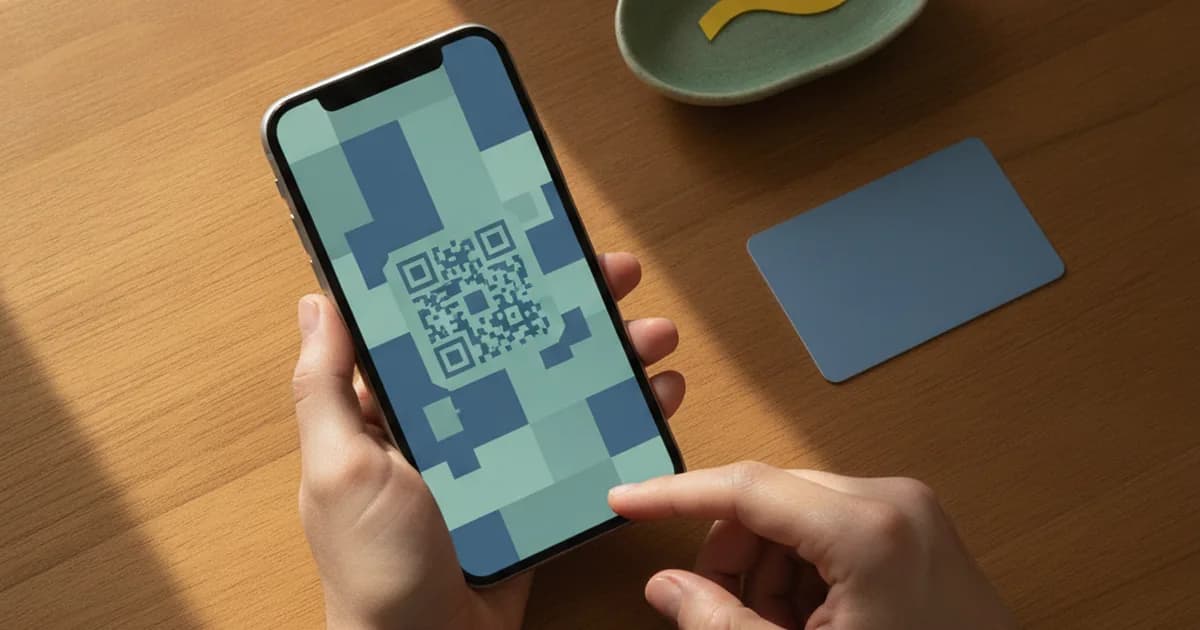
If you want to know how to buy digital dollars with Pix, Brazil's instant payment system, the process is: open a compatible platform, enter how much you want to pay in reais, check the estimate of how many digital dollars you will receive, and complete the Pix in your bank's app. On Picnic, this path starts at Deposit and ends with a balance in USDC, the digital dollar the card spends.
The most important point comes before you confirm: compare the estimated net amount, not just the phrase "zero fee." On Picnic, the current path has 0% IOF (Brazil's tax on financial operations) and a zero Picnic margin, but the quote includes a provider cost of between 0.3% and 0.5%. The screen shows the estimate before you pay.
Card availability: new Picnic card orders have been temporarily paused since September 22, 2026 (notice in Portuguese), with no confirmed date for reopening. Existing cards keep working normally until December 20, 2026, at 23:59 UTC; after that, card use continues on Gnosis Pay's new infrastructure through an upgrade. The deposit flow below loads the card balance, so it applies in full to people who already have the card.
This guide explains the process in the app, the difference on Picnic Pro, the security precautions and the tax rules known as of November 2026.
Step by step: how to buy digital dollars with Pix on Picnic
Once your registration and identity verification are complete, do the following:
- Open the Picnic app and tap Deposit.
- Enter the amount you want to pay in reais.
- Check the digital dollar estimate shown on screen.
- Review the quote and the estimated net amount.
- Copy the Pix code or use the QR code.
- Open your bank's app and complete the payment.
- Go back to Picnic and track the arrival of your balance.
The initial quote is an estimate. If the Pix is confirmed after that quote expires, a new quote is applied at settlement, and the amount you receive may differ slightly from what appeared before payment.
According to Picnic's official deposit guide, the amount is usually credited within a few minutes. Timing can vary because of reviews, system availability and Pix processing.
You don't need to choose a trading pair, look for a seller or pick a network during this flow. The app calculates the conversion and shows the estimated amount before payment.
The app and Picnic Pro have different destinations
In the app, a deposit started from Deposit becomes a digital dollar balance for the card. On Picnic Pro, accessed through the browser, a generic deposit becomes a digital real balance. To load the card with digital dollars on the web, start the operation inside the card tab.
This difference matters. If you make a generic deposit on Picnic Pro, don't expect the amount to show up automatically as USDC in the card balance. Open the area that matches the destination you want before generating the Pix.
What are you buying: digital dollars, USDC or bank dollars?
"Digital dollar" is the simple term for a digital asset designed to track the value of the US dollar. On Picnic, it is USDC, issued by Circle. One unit aims to stay close to US$1.
Circle states that USDC is redeemable 1:1 for US dollars and is backed by highly liquid cash and cash-equivalent assets. The company reports its reserves regularly, with daily third-party reporting on the reserve fund's portfolio and monthly attestations by an independent accounting firm.
That does not make USDC a dollar bill or a bank deposit. The practical differences are:
| Form of dollar | Where it is held | How to use it | What to watch |
|---|---|---|---|
| Cash dollars | Bills in your possession | In-person purchases | Physical security and the exchange office's spread |
| USD bank balance | Account offered by an institution and partners | Transfers and card, depending on the product | The institution's rules, fees and coverage |
| Digital dollars in USDC | Digital asset wallet | Sending and compatible products; a card when the platform offers that feature | Issuer risk, custody model risk, credential management and network risk |
USDC is also not the same as USDT. Both aim to track the dollar, but they have different issuers, reserves, availability and networks. Do not send one to an address meant for the other without confirming compatibility.
If this category is new to you, start with what a digital dollar is (in Portuguese). The central point here is simple: Pix pays the reais; the quote determines how many units of USDC arrive.
How much does it cost to buy USDC with Pix?
There are at least four possible components in a digital dollar purchase:
- IOF;
- the platform's margin or spread;
- the cost of the provider that executes the conversion;
- the fee to withdraw or transfer the asset later.
For loading the Picnic card via Pix, the public fee table states, as of November 2026:
- IOF: 0%;
- Picnic margin: 0%;
- current provider cost: between 0.3% and 0.5% compared with the reference rate;
- estimated amount: shown before confirmation and subject to a new quote if the Pix arrives after the initial quote expires.
This means that a "zero Picnic margin" is not the same as a zero total cost. The conversion subsidy is paused, so the provider's cost shows up in the quote.
Example with R$1,000
If you deposit R$1,000, the indicative math looks like this:
| Component | Approximate range |
|---|---|
| IOF | R$0 |
| Picnic margin | R$0 |
| Provider cost, 0.3% to 0.5% | R$3 to R$5 |
| Equivalent amount converted, before BRL/USD changes | about R$995 to R$997 |
The amount of USDC depends on the dollar rate at that moment. The example is meant to visualize the cost, not to fix an exchange rate or promise a result.
To compare other options, run the same simulation with R$1,000 and note how many dollars the screen estimates will arrive. A platform may advertise a zero fixed fee and build a larger difference into the quote. The guide on exchange rate spread (in Portuguese) explains how to find that difference.
Is there IOF when you buy digital dollars with Pix?
As of November 2026, the path described in this article operates with 0% IOF. There is, however, a regulatory change worth putting in context.
Central Bank of Brazil Resolution No. 521/2025 classified certain operations with stablecoins, the technical term for assets like the digital dollar, as foreign exchange operations. Whether the 3.5% IOF will apply to transactions with stablecoin cards still depends on complementary regulation. Currently, IOF does not apply to stablecoin transactions.
That may change. So check the final amount in the app and the rule in force on the date of the operation. To understand where the tax appears on cards, cash and other routes, see the guide on what IOF is (in Portuguese).
How to compare where to buy digital dollars
The right option depends on what you will do with the balance. Before choosing, compare six points.
1. Net amount received
Simulate the same amount in reais at the same time. Compare how many USDC arrive after spread, fixed fee and provider costs.
2. Where the balance goes
Ask whether the asset is available to use, send and withdraw, or whether it exists only inside the platform. On Picnic, the digital dollar balance can be used on the card and in compatible account features.
3. Custody
With traditional custody, the platform controls movements and access. With self-custody, you keep control of your assets, along with responsibility for your credentials and recovery. The guide on what self-custody is (in Portuguese) details this balance between control and responsibility.
4. Available networks
USDC exists on more than one network. The same name does not guarantee that any address accepts any version. If you plan to send the balance outside the platform, confirm the asset, contract, address and destination network first.
5. Withdrawal or sending fee
A cheap purchase can become expensive on the way out. Check the transfer cost, the minimum amount, and whether the fee changes by network.
6. Verification and support
Prefer a flow that verifies identity, shows the amounts before confirmation and offers a clear support channel. Be wary of purchases conducted through private messages, promises of returns or requests for a Pix outside the official screen.
How to buy safely
The flow is simple, but it involves money and a transferable asset. Use this checklist:
- generate the Pix code inside the official app or website;
- check the amount and the recipient on your bank's screen before paying;
- never share your password, access code or recovery credential;
- ignore messages promising to release a balance in exchange for another Pix;
- keep your app and your phone's operating system up to date;
- if you are sending to an external wallet, make a small test transfer first;
- confirm three things: asset, address and network;
- keep the Pix receipt and the conversion record.
A small test does not eliminate every risk, but it reduces the impact of a wrong address or network. Digital asset transfers usually cannot be reversed automatically.
What to do after buying digital dollars
Buying is only the first step. Where the balance goes should match your goal.
Keep part of your wealth in dollars
You can keep the balance in digital dollars to reduce exclusive exposure to the real. This does not guarantee a gain: if the dollar falls against the real, the value of your balance in reais also falls. Dollarization is diversification, not a promise of returns.
The comparison of dollar accounts for Brazilians (in Portuguese) helps separate accounts, cards, investments and self-custody.
Use it on the card
The Picnic card spends the digital dollar balance. For purchases denominated in USD, there is no further currency conversion. In other currencies, the network handles the conversion and there may be a foreign exchange cost, currently about 0.3% for Visa's conversion according to the fee table. See how an international card works (in Portuguese) and the disadvantages of the Picnic card before deciding whether it fits your use. If you don't have the card yet, check current card availability (notice in Portuguese) first.
Put the balance to work
Picnic offers Protected Savings (Caixinha Protegida) for eligible balances. The current rate and conditions are shown in the app. Yield is not automatic on idle USDC and involves risks specific to the product. The guide on how to receive dollars and make them grow (in Portuguese) explains the difference.
Send it to another wallet
Only do this if you understand the destination. Copy the address, confirm the supported network and check which version of USDC will be received. If the address accepts a different network or asset, the money may become inaccessible and require a recovery that is not always possible.
What are the risks?
Digital dollars make access and use easier, but they do not eliminate risk.
- Peg: USDC was designed to track the dollar, but it can temporarily move away from US$1 in certain market conditions.
- Issuer: the quality of the reserves and the ability to redeem depend on the issuer.
- Exchange rate: the balance tracks the dollar. In reais, it goes up and down with BRL/USD.
- Custody: whoever controls the credentials takes on security and recovery responsibilities.
- Network: an incompatible address or network can cause the asset to be lost or stuck.
- Regulation: foreign exchange, IOF and reporting rules are still evolving.
- Scams: fake support agents and links may try to capture your access or trick you into another payment.
Circle publishes information about its reserves, but that is not equivalent to a Brazilian government guarantee, nor does it eliminate risk. Use amounts that fit your plans and keep records.
Do you have to declare USDC on your Brazilian tax return?
Brazil's Federal Revenue Service (Receita Federal) treats USDC as a digital asset, not as cash dollars. In the DIRPF 2026 Questions and Answers (in Portuguese), the Receita uses the technical term stablecoins for the assets in group 08, code 03.
In general, people required to file the return must report assets of the same kind whose total acquisition cost is R$5,000 or more. The description must identify the type, quantity and form of custody. Sales, spending or transfers may create other obligations depending on the amount and the case.
Keep:
- the Pix receipt;
- the date and acquisition cost in reais;
- the amount of USDC received;
- statements of transfers, sales and spending;
- your position on December 31.
The Receita's official page on crypto assets (in Portuguese) gathers the current guidance. The step-by-step guide on whether you need to declare dollar purchases on your tax return (in Portuguese) helps you organize your records.
The rules vary with custody, operations and individual circumstances. This content is educational and does not replace advice from an accountant.
Frequently asked questions
Can you buy USDC with Pix without using a crypto exchange?
Yes. Platforms like Picnic let you pay in reais via Pix and receive digital dollars without using a trading screen. Picnic is a technology platform, not a bank or financial institution.
Are USDC and USDT the same thing?
No. Both aim to track the dollar, but they have different issuers, reserves and availability by network. On Picnic, the digital dollar used in the card balance is USDC.
How long does it take for the balance to arrive?
The amount usually arrives within a few minutes after the Pix, but it can take longer because of reviews or system unavailability. Check the status in the app before repeating the payment.
Is there a minimum amount?
The app shows the accepted amount at the time of the operation. Limits may depend on your profile, verification and the rules in force. Check the screen before generating the Pix.
Can I sell the digital dollars and go back to reais?
Yes, as long as the platform and the route are available for your profile. Check the quote, the net amount and any costs before confirming. The operation should also go into your tax records.
Is it better to buy USDC or cash dollars?
It depends on the use. USDC can be sent and held in self-custody; card use depends on the platform. On Picnic, it forms the balance the card spends. Cash works without a battery or internet, but involves physical security, IOF and spread. For trips, combining a digital balance with a small cash backup is usually more robust than relying on a single form.
How to buy digital dollars with Pix: final decision
The simplest path is to open Deposit, enter the amount in reais, check the estimate of how many digital dollars you will receive and complete the Pix through your bank. In the Picnic app, the balance arrives in USDC and can go to the card or other compatible features.
Before paying, check the net estimate. As of November 2026, loading has 0% IOF, a zero Picnic margin and a provider cost of between 0.3% and 0.5%. Compare that estimated amount of USDC with other options at the same moment.
If the flow, the custody and the costs make sense for your goal and you already have the Picnic card, simulate a purchase on Picnic. If you don't have it yet, check current card availability (notice in Portuguese). Start with an amount you understand, keep the receipt, and treat the address and network as financial data: a few seconds of checking can prevent a difficult recovery later.
Picnic is a technology platform that lets users independently interact with USDC, a U.S. dollar-pegged stablecoin issued by Circle, on public blockchains. USDC is not legal tender in Brazil.
Displayed exchange rates vary with market conditions. The final applicable amount is the one shown on the transaction confirmation screen. Cryptoassets involve risks, including volatility and loss of peg.
Picnic does not custody user assets and is neither a financial institution nor a virtual asset service provider. Sending and receiving U.S. dollar payments through a U.S. account is offered in partnership with Noah Savings Inc. Terms and conditions apply.
Information verified in November 2026.

Picnic team
Technology platform
The Picnic team creates content about international finance, cards and digital dollars.
Get your Picnic card
No annual fee, no IOF and no Picnic fee. Open your account in five minutes.
Open your account →